

5 min read · 18 November 2026
Kennel Cough in Dogs: What Dubai Pet Owners Need to Know
Kennel cough is one of the most contagious dog infections we see in Dubai -- and dog parks, boarding facilities, and groomers are where it spreads. Here's how to recognise it, treat it, and prevent it.
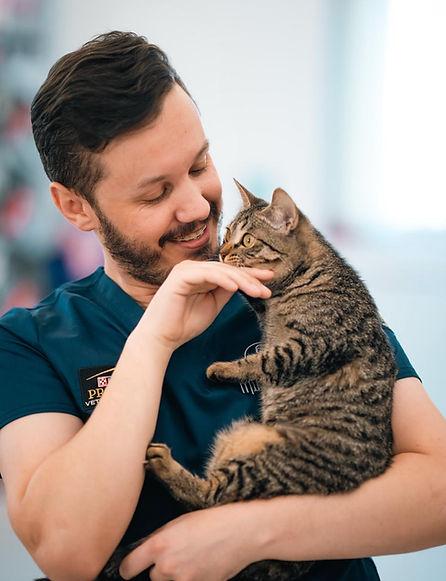

Kennel cough -- infectious tracheobronchitis -- is one of the most contagious respiratory infections in dogs, and Dubai's dog-friendly environment creates ideal conditions for it to spread. Dog parks like Zabeel, Safa, and the community parks across JVC and Arabian Ranches, plus the growing number of dog cafes, boarding facilities, and grooming salons, mean many Dubai dogs have regular close contact with other dogs.
The good news is that kennel cough is rarely serious in healthy adult dogs. Most recover without complications. The concern is secondary pneumonia in puppies, senior dogs, and immunocompromised animals -- and the rapid spread through any group of dogs that share a space.
What Causes Kennel Cough?
Kennel cough is not caused by a single pathogen -- it is typically a combination of viral and bacterial agents. The most significant are Bordetella bronchiseptica (bacteria), canine parainfluenza virus (included in the standard DHPPi vaccine), and canine adenovirus-2. In practice, infections are often mixed, which is why kennel cough can vary in severity from a mild cough that lasts a week to a more prolonged illness.
Bordetella is the most common bacterial cause and the one the specific kennel cough vaccine targets. It attaches to the cilia of the respiratory tract, disrupting the normal clearance mechanism and allowing secondary infection to take hold.
How It Spreads
Kennel cough is airborne and spreads through respiratory droplets -- a coughing or sneezing dog disperses the pathogen into the air and onto surfaces. Direct nose-to-nose contact, shared water bowls, and shared spaces all facilitate transmission.
The incubation period is 3 to 10 days, meaning a dog can be infected and spreading the illness before any symptoms appear. This is why outbreaks move quickly through boarding facilities, dog parks, and training classes.
In Dubai's climate, air-conditioned indoor spaces -- groomers, boarding facilities, dog cafes -- can concentrate respiratory pathogens more than outdoor settings.
Signs of Kennel Cough
The hallmark sign is a harsh, dry, honking cough -- often described as sounding like something is stuck in the throat. It may be followed by gagging or bringing up white foam. Many owners initially think the dog has swallowed something.
The cough is often triggered by exercise, excitement, or pressure on the throat -- pulling on the lead, being picked up. Applying gentle pressure to the trachea during examination typically produces the cough.
In uncomplicated kennel cough, the dog usually remains bright, eating normally, and without fever. If the dog is lethargic, has a reduced appetite, or develops a productive (wet) cough with nasal discharge and fever, this may indicate secondary pneumonia and requires prompt veterinary attention.
Symptoms typically develop 3 to 10 days after exposure and last 1 to 3 weeks in otherwise healthy adult dogs.
Treatment
Uncomplicated kennel cough in a healthy adult dog often resolves without treatment beyond rest and reduced exercise for 1 to 2 weeks. Avoid lead walks that cause pulling on the trachea -- use a harness rather than a collar. Avoid mixing with other dogs during the infectious period.
In cases where Bordetella is confirmed or strongly suspected, a course of antibiotics is typically prescribed. This reduces the duration of illness and lowers the risk of secondary bacterial pneumonia.
Cough suppressants may be recommended for dogs with a severe cough that is disrupting sleep or causing significant distress.
If secondary pneumonia develops -- indicated by fever, lethargy, reduced appetite, and a productive cough -- prompt veterinary attention, chest X-rays, and more intensive antibiotic therapy are needed. This is the scenario to watch for in puppies, senior dogs, and dogs with underlying health conditions.
The Bordetella Vaccine
The Bordetella intranasal or injectable vaccine provides protection against Bordetella bronchiseptica, the most common bacterial cause of kennel cough. It does not prevent all causes -- parainfluenza and adenovirus are covered by the standard DHPPi vaccine -- but significantly reduces the risk of severe disease.
In Dubai, Bordetella vaccination is required by most boarding facilities and many doggy daycares. We recommend it for any dog with regular contact with other dogs: dog parks, grooming, boarding, training classes, or dog cafes.
The vaccine is given annually. For dogs going into boarding or attending a training programme, it should ideally be given at least 1 to 2 weeks before exposure to allow immunity to develop.
Vaccinated dogs can still contract kennel cough -- particularly from non-Bordetella causes -- but typically show milder symptoms and recover more quickly.
Keeping Your Dog Safe in Dubai
Do not take your dog to a dog park, boarding facility, or grooming salon if they are showing respiratory symptoms. This protects other dogs.
Carry your own water and use it rather than shared water stations where possible.
Ensure kennel cough vaccination is current before any boarding stay or intensive social period (such as over Eid or Christmas holidays when many owners board their dogs).
If your dog develops a cough within 10 days of contact with other dogs, call us. Most cases are straightforward, but it is always better to confirm than to risk missing a secondary infection.
Book an appointment at Mike's Vet
Open 7 days · 9 AM – 9:30 PM · Hessa Street, Dubai
Related: Vaccinations
Learn more →Frequently Asked Questions
How do I know if my dog has kennel cough?
The characteristic sign is a harsh, dry, honking cough -- often triggered by excitement or lead pressure on the throat. The dog usually remains otherwise well. If you are unsure, call us: we can often make an initial assessment by phone based on the description of the cough.
Is kennel cough contagious to other dogs?
Yes, highly. Kennel cough spreads through respiratory droplets and is contagious before symptoms appear. Keep your dog away from other dogs and public dog areas until they have been cough-free for at least a week, or until your vet advises it is safe.
Is kennel cough contagious to humans or cats?
In healthy humans, kennel cough does not pose a risk. In severely immunocompromised people, there is a theoretical low risk from Bordetella -- discuss this with your doctor if relevant. Cats can contract Bordetella but it is uncommon. The main concern is spread between dogs.
How long does kennel cough last?
In healthy adult dogs, 1 to 3 weeks. Puppies, senior dogs, and dogs with underlying conditions may take longer to recover and are at higher risk of secondary pneumonia. If symptoms persist beyond 3 weeks or the dog develops fever and lethargy, see your vet.
My dog was vaccinated against kennel cough -- can they still get it?
Yes, but vaccination significantly reduces the severity and duration of illness. The Bordetella vaccine covers the most common bacterial cause. Other agents (parainfluenza, adenovirus) are covered by the standard DHPPi vaccine, but there are additional viruses that can cause kennel cough-like illness that no current vaccine covers.
Does my dog need the Bordetella vaccine if they don't go to kennels?
If your dog visits dog parks, groomers, training classes, or dog-friendly cafes in Dubai, they have regular contact with other dogs and we recommend the vaccine. It's not just kennels -- any situation where dogs share air or surfaces is a transmission risk.